


By Alec Fernandes
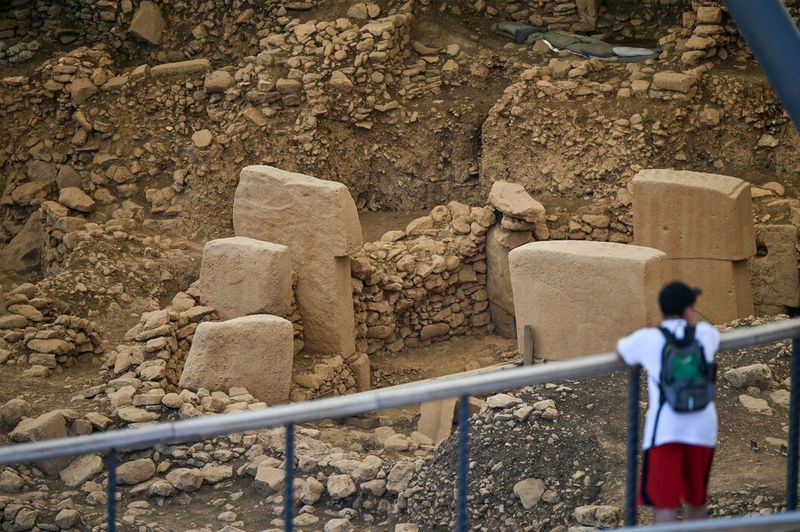
Archaeologists think they've cracked the code of mysterious markings found at an ancient site in Turkey. The 12,000-year-old ruins of Göbekli Tepe could display the world's first known calendar, as well as documented evidence of a controversial comet theory.
Along a section of pillars is a series of 365 V-shaped carvings that represent the days of the solar year, according to researcher Martin Sweatman. One of these symbols adorns the neck of a bird-like creature, possibly indicating the summer solstice. He also sees record of an ancient comet strike depicted by the long clothing of a human figure etched in stone.
Sweatman is among scientists who believe a series of cataclysmic comet strikes around 12,000 years ago had a profound effect on human history. This event, if it indeed happened, may have encouraged our ancestors to settle down in societies, developing agriculture and other hallmarks of civilization.
Göbekli Tepe is one of the oldest known human settlements, and insights into this early farming community have reshaped our understanding of the ancient world. Click here to see more photos of this Neolithic wonder.


